
2,700 years ago, the Assyrian Empire is the greatest political and military power on earth, stretching from ancient Mesopotamia in the east to present-day Turkey in the west. Even after most of Israel’s population is slaughtered or deported by the Assyrians, a remnant of Israelites remain defiant and insists on independence. In retaliation, the emperor sends his general, Holofernes, with an army of over 100,000 to plunder and destroy the sacred Temple in Jerusalem.
Judith emerges from her grief over her husband’s death with a new sense of purpose. She trains under a revered teacher and takes on the role of a Wise Woman. When General Holofernes lays siege to Bethulia, the leaders are helpless against the thirsty and angry townspeople demanding complete surrender. But Judith refuses to give in to despair and prepares a military strategy.
Defying the town’s leading men, she leaves the relative safety of Bethulia and enters the enemy camp. Alone in General Holofernes’ command tent, she challenges his ambition with her wit in a seductive and dangerous word game, giving him one last chance to redeem himself, but he fails. Lured with cheese to encourage him to drink more wine, Holofernes loses consciousness just before assaulting her. Grabbing his sword to cut off his head, Judith wrestles with the morality of using deception and violence for a greater purpose.
Judith the Wise is an epic tale of guile, piety, and murder in the tradition of many great biblical narratives.
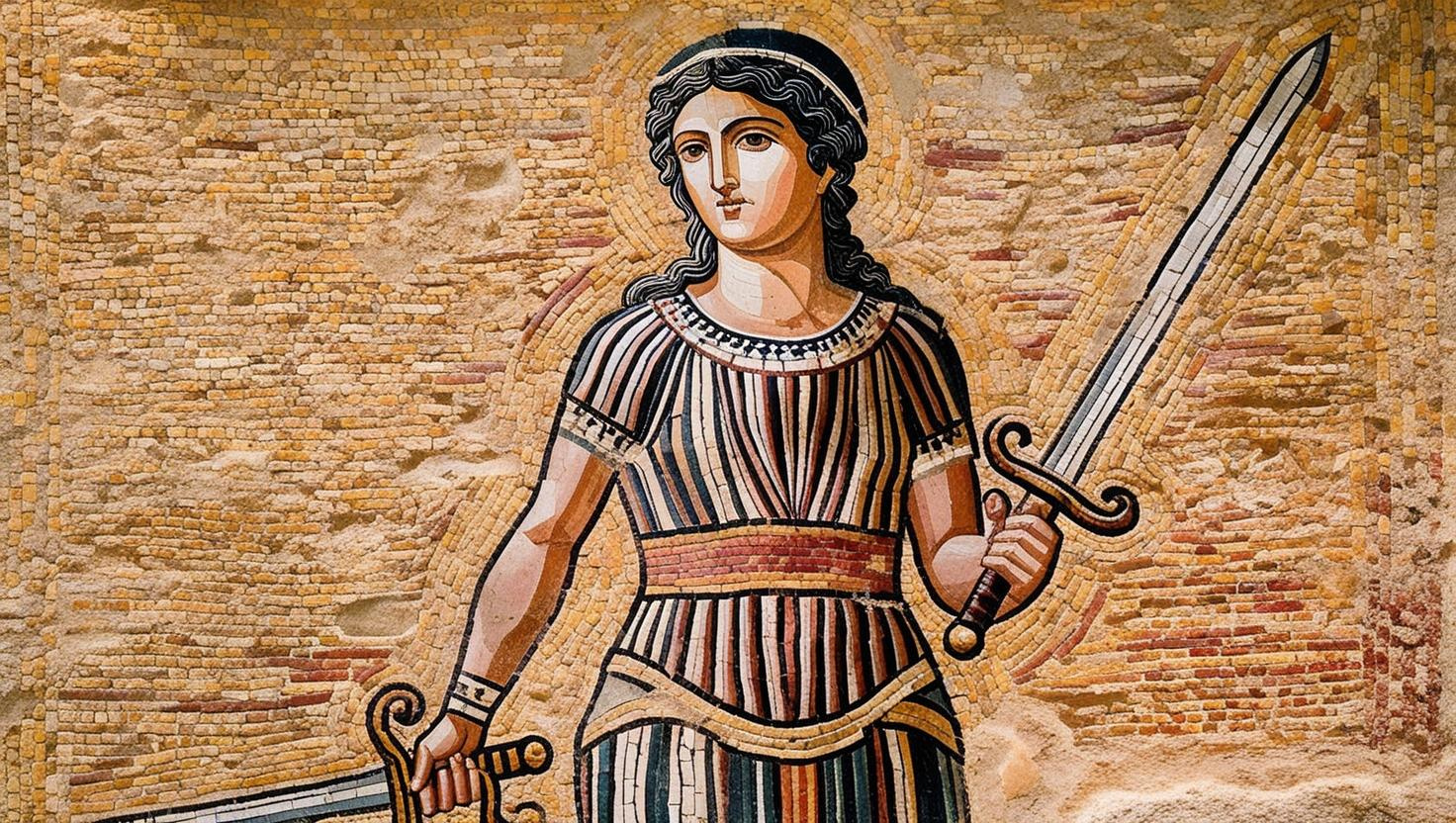
Who was Judith?
My novel, Judith the Wise, draws inspiration from the Book of Judith, which is included in the Roman Catholic and Eastern Orthodox canons but is considered an apocryphal work by Protestants. The Jewish community holds the story of Judith in high regard, even though the book is not part of the Hebrew Bible. Her narrative has become linked with Hanukkah celebrations, especially within orthodox circles.